Chronic inflammation is at the root of most modern diseases. This practical guide walks you through the foods that fight inflammation and those that fuel it — with simple, high-impact swaps to get you started today.
What Chronic Inflammation Actually Is
Acute inflammation is a healthy, necessary response. When you sprain an ankle or fight off an infection, the redness, swelling, and heat you experience are signs that your immune system is doing its job — sending white blood cells and inflammatory mediators to the site of injury or infection to initiate healing. This process is time-limited. Once the threat is resolved, inflammation subsides and tissue repair begins.
Chronic inflammation is something different entirely. It is a low-grade, persistent activation of the immune system that does not resolve because the underlying trigger — whether dietary, environmental, microbial, or psychological — is never removed. Unlike acute inflammation, chronic inflammation is often invisible. There is no swelling, no redness, no obvious sign that anything is wrong. But at the cellular level, the inflammatory cascade is running continuously, damaging tissues, disrupting hormonal signaling, impairing mitochondrial function, and accelerating the progression of virtually every chronic disease we know.
Cardiovascular disease, type 2 diabetes, Alzheimer's disease, autoimmune conditions, many cancers, and depression have all been linked to chronic low-grade inflammation. It is not an exaggeration to say that chronic inflammation is the common thread running through most of modern medicine's greatest challenges.
How Food Drives — or Dampens — Inflammation
Food is one of the most powerful modulators of inflammatory status available to us — and we interact with it multiple times every day. The foods we eat influence inflammation through several mechanisms: they alter the composition and function of the gut microbiome, which directly regulates immune activation; they provide or withhold the micronutrients that serve as cofactors for anti-inflammatory enzymes; they influence the balance of omega-3 to omega-6 fatty acids, which determines the character of eicosanoid signaling; and in individuals with food sensitivities, specific foods trigger direct immune reactivity that generates ongoing inflammatory mediator release.
The research on dietary patterns and inflammation is now robust enough to draw clear conclusions. Diets rich in whole plant foods, omega-3 fatty acids, polyphenols, and fermented foods consistently reduce inflammatory markers. Diets high in ultra-processed foods, refined carbohydrates, industrial seed oils, and added sugar consistently increase them. The Mediterranean dietary pattern — which emphasizes olive oil, fatty fish, vegetables, legumes, and whole grains — has the strongest evidence base for reducing systemic inflammation and lowering the risk of inflammatory disease.
Foods That Fight Inflammation
The table below outlines the most evidence-backed anti-inflammatory foods and the mechanisms through which they work.
| Food | Why It Works |
|---|---|
| Wild-caught fatty fish | Rich in EPA and DHA omega-3s — the most potent dietary anti-inflammatory compounds known |
| Colorful vegetables and fruits | Polyphenols, carotenoids, and flavonoids inhibit NF-κB and other pro-inflammatory signaling pathways |
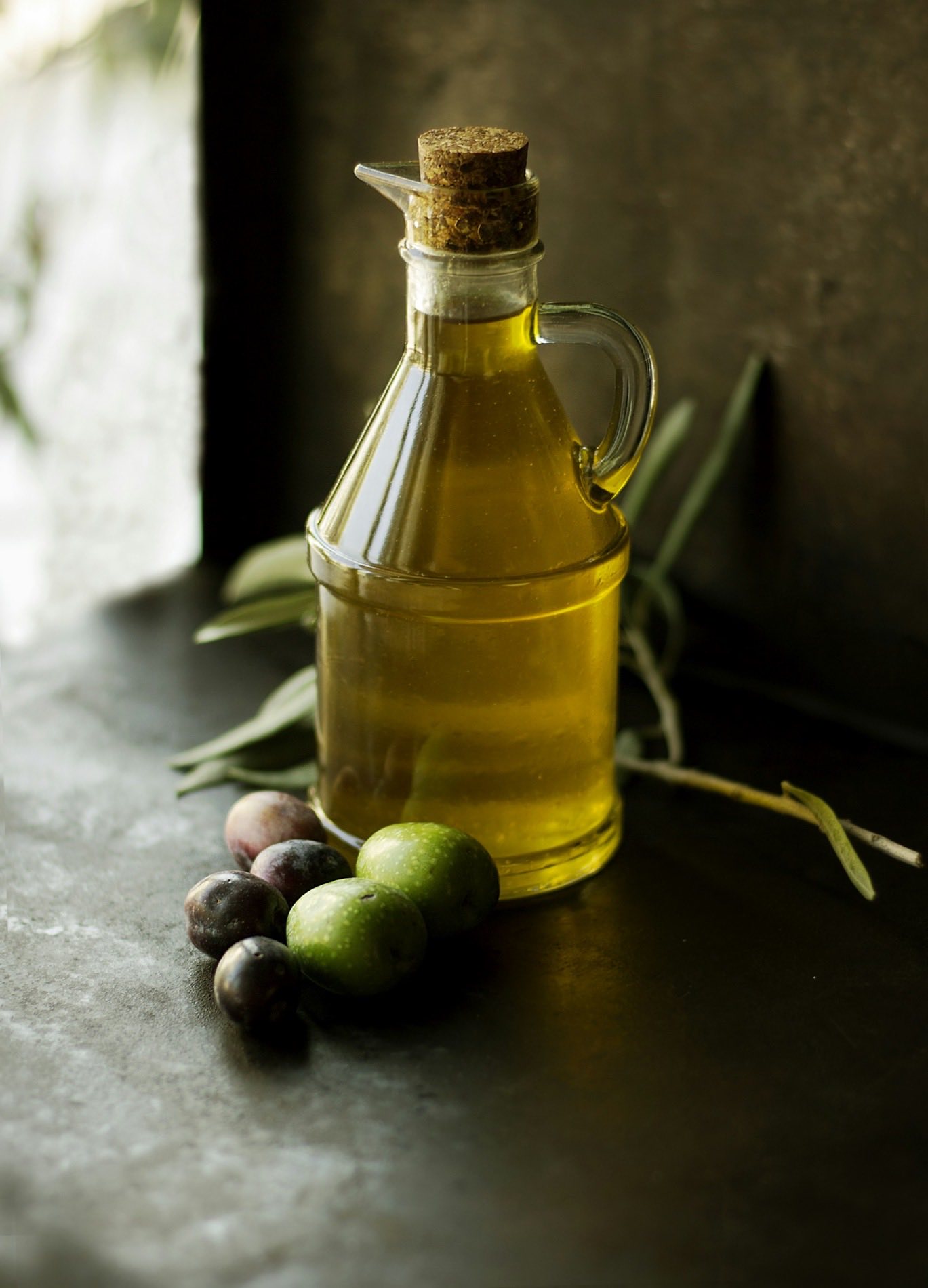
| Extra virgin olive oil | Oleocanthal has ibuprofen-like COX-inhibiting activity; oleic acid reduces inflammatory cytokines |
| Turmeric and ginger | Curcumin and gingerols are potent inhibitors of inflammatory enzymes; bioavailability of curcumin is enhanced by black pepper |
| Walnuts and flaxseed | Plant-based ALA omega-3s; walnuts also contain ellagitannins that are converted to anti-inflammatory urolithins by gut bacteria |
| Fermented foods | Diverse microbiome reduces systemic inflammation; short-chain fatty acids from fermentation have direct anti-inflammatory effects |
| Dark leafy greens | High in vitamin K, magnesium, and folate — all involved in regulating inflammatory pathways |
Foods That Fuel Inflammation
Understanding what to add is only half the picture. The following foods consistently drive inflammatory processes and are worth minimizing or eliminating.
| Food | Why It Drives Inflammation |
|---|---|
| Ultra-processed foods | Refined carbohydrates, industrial seed oils, and additives activate NF-κB and increase inflammatory cytokines |
| Industrial seed oils (soybean, corn, canola) | High in omega-6 linoleic acid; excessive omega-6 relative to omega-3 shifts eicosanoid production toward pro-inflammatory pathways |
| Added sugar and high-fructose corn syrup | Drives insulin resistance, glycation, and activation of the NLRP3 inflammasome |
| Trans fats (partially hydrogenated oils) | Directly increase LDL, decrease HDL, and promote endothelial inflammation |
| Alcohol (excessive) | Increases gut permeability, elevates lipopolysaccharide in circulation, and activates TLR4 inflammatory signaling |
| Reactive foods (individual) | Foods that trigger an immune response in a specific individual — identified through MRT testing or elimination — generate ongoing inflammatory mediator release |
Practical Swaps to Get Started
Anti-inflammatory eating does not require a complete dietary overhaul overnight. The most sustainable approach is to make targeted swaps that shift the overall pattern of your diet without creating a sense of deprivation. Here are some of the highest-impact changes:
Replace industrial seed oils (soybean, corn, canola, vegetable) with extra virgin olive oil for cold preparations and avocado oil for high-heat cooking. These two swaps alone significantly improve the omega-6 to omega-3 ratio and reduce exposure to oxidized lipids.
Add fatty fish twice a week. Wild-caught salmon, sardines, mackerel, and anchovies are among the most potent anti-inflammatory foods available. If fish is not palatable, a high-quality fish oil supplement providing at least 2 grams of combined EPA and DHA daily is a reasonable alternative.
Eat the rainbow. Each color of vegetable and fruit represents a different class of polyphenols with different anti-inflammatory mechanisms. Aiming for 5–9 servings of vegetables and fruits daily, with as much color variety as possible, is one of the most consistently supported dietary recommendations in the research literature.
Reduce added sugar. This does not mean eliminating all sweetness — it means reading labels and reducing the consumption of foods where sugar has been added as an ingredient. The average American consumes over 17 teaspoons of added sugar per day; reducing this to under 6 teaspoons produces measurable reductions in inflammatory markers within weeks.
Address your individual triggers. The most personalized and often most impactful anti-inflammatory intervention is identifying and removing the specific foods that trigger an immune response in your body. This is where MRT food sensitivity testing becomes invaluable — it reveals the individual dietary drivers of inflammation that no general anti-inflammatory diet can address.
Beyond Diet: The Full Anti-Inflammatory Picture
Diet is the foundation, but it is not the only lever. Chronic stress activates the HPA axis and drives cortisol-mediated inflammation. Sleep deprivation of even a few days increases inflammatory cytokines measurably. Sedentary behavior promotes adipose tissue inflammation. Environmental toxin exposure — pesticides, heavy metals, plasticizers — activates inflammatory pathways through multiple mechanisms.
A functional nutrition approach addresses all of these factors together, because inflammation does not have a single cause and it does not have a single solution. The goal is to reduce the total inflammatory burden from every direction simultaneously — through diet, stress management, sleep optimization, movement, and targeted supplementation where indicated — while identifying and removing the individual triggers that are most significant for each person.
Never Miss a Wellness Insight
New articles on functional nutrition, integrative wellness, and root-cause health — delivered straight to your inbox. No fluff, no spam.
We respect your privacy. Unsubscribe at any time.

Written by
Julia Callaghan, CLT
Julia is a Functional Nutritionist and Certified LEAP Therapist based in Charlotte, NC. She specializes in anti-inflammatory nutrition, root-cause health, and personalized dietary strategies that address the underlying drivers of chronic disease and inflammation.