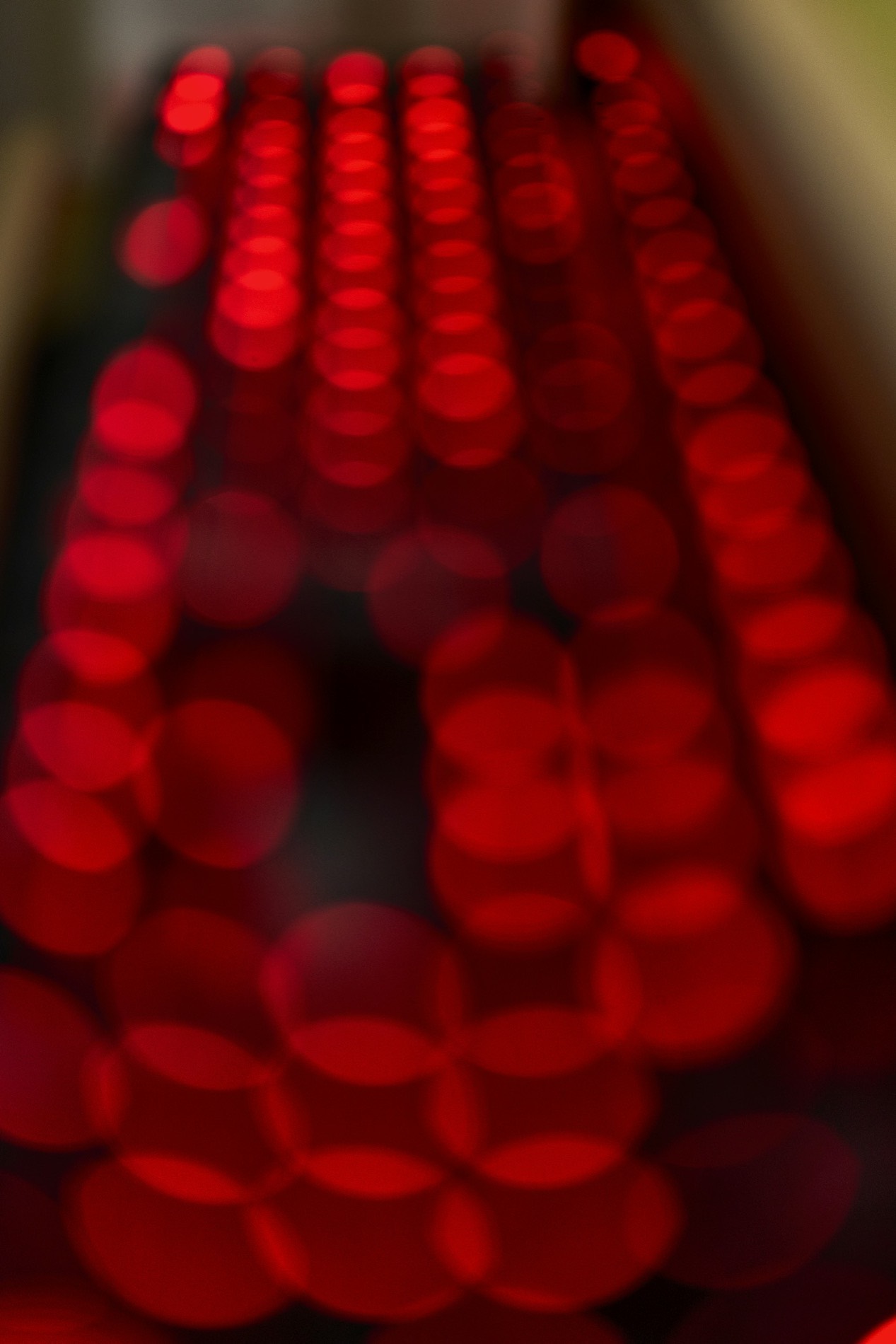
"Did you know your cells use light to produce energy?"
It sounds like something out of a biology textbook, but it is one of the most practical and actionable pieces of health information most people have never heard. Your mitochondria — the energy-producing organelles inside virtually every cell in your body — contain a light-sensitive enzyme called cytochrome c oxidase. When this enzyme is exposed to red and near-infrared light wavelengths, it produces ATP more efficiently. ATP is the energy currency your body runs on. More of it means better cellular function across every system: more energy, faster recovery, better skin repair, more balanced inflammation, and sharper cognitive function.
The Sunlight Problem We Are Not Talking About Enough
For the vast majority of human history, people spent most of their waking hours outdoors. Morning sunlight, afternoon sun, the full spectrum of natural light across the day — this was the baseline. Today, the average American spends approximately 90% of their time indoors. We work under fluorescent and LED lighting that is heavy in blue wavelengths and almost entirely devoid of the red and near-infrared wavelengths that our cells are designed to receive and respond to.
This is not a minor inconvenience. It is a significant departure from the light environment our biology evolved in — and the downstream effects on cellular energy, circadian rhythm, mood, immune function, and skin health are real and measurable. We are, in a very literal sense, light-deficient.
The first priority is always natural sunlight. Morning sun exposure — even 10–20 minutes of direct outdoor light within an hour of waking — is one of the most powerful free tools available for circadian rhythm, cortisol balance, and mitochondrial health. No device replaces it. But for the hours of the day when sunlight is not available, red light therapy is a meaningful and well-researched way to give your cells the light signal they are missing.
Red Light Therapy: A Practical Tool for a Light-Deficient World
Red light therapy uses specific wavelengths of red (630–660 nm) and near-infrared (810–850 nm) light to deliver the same mitochondrial stimulus that sunlight provides — without UV exposure, without heat damage, and at any time of day. It is one of the most well-researched non-invasive wellness interventions available, with thousands of peer-reviewed studies documenting its effects on energy production, recovery, skin health, inflammation, and healthy aging.
We love it because it works at the root level — not by masking a symptom, but by supporting the foundational cellular process that underlies every aspect of how you feel and function. It is not a replacement for good nutrition, quality sleep, or regular movement. But as part of a comprehensive wellness approach, it is one of the most accessible and impactful tools we have found.
If you are curious about how red light therapy fits into a personalized wellness plan — or if you want to understand what else might be driving your fatigue, slow recovery, or other symptoms — we would love to talk.
Never Miss a Wellness Insight
New articles on functional nutrition, integrative wellness, and root-cause health — delivered straight to your inbox. No fluff, no spam.
We respect your privacy. Unsubscribe at any time.
Continue Reading


Written by
Julia Callaghan, CLT
Julia is a Functional Nutritionist and Certified LEAP Therapist based in Charlotte, NC. She integrates evidence-based nutritional strategies with complementary wellness therapies to help clients address root causes and optimize their health from the cellular level up.