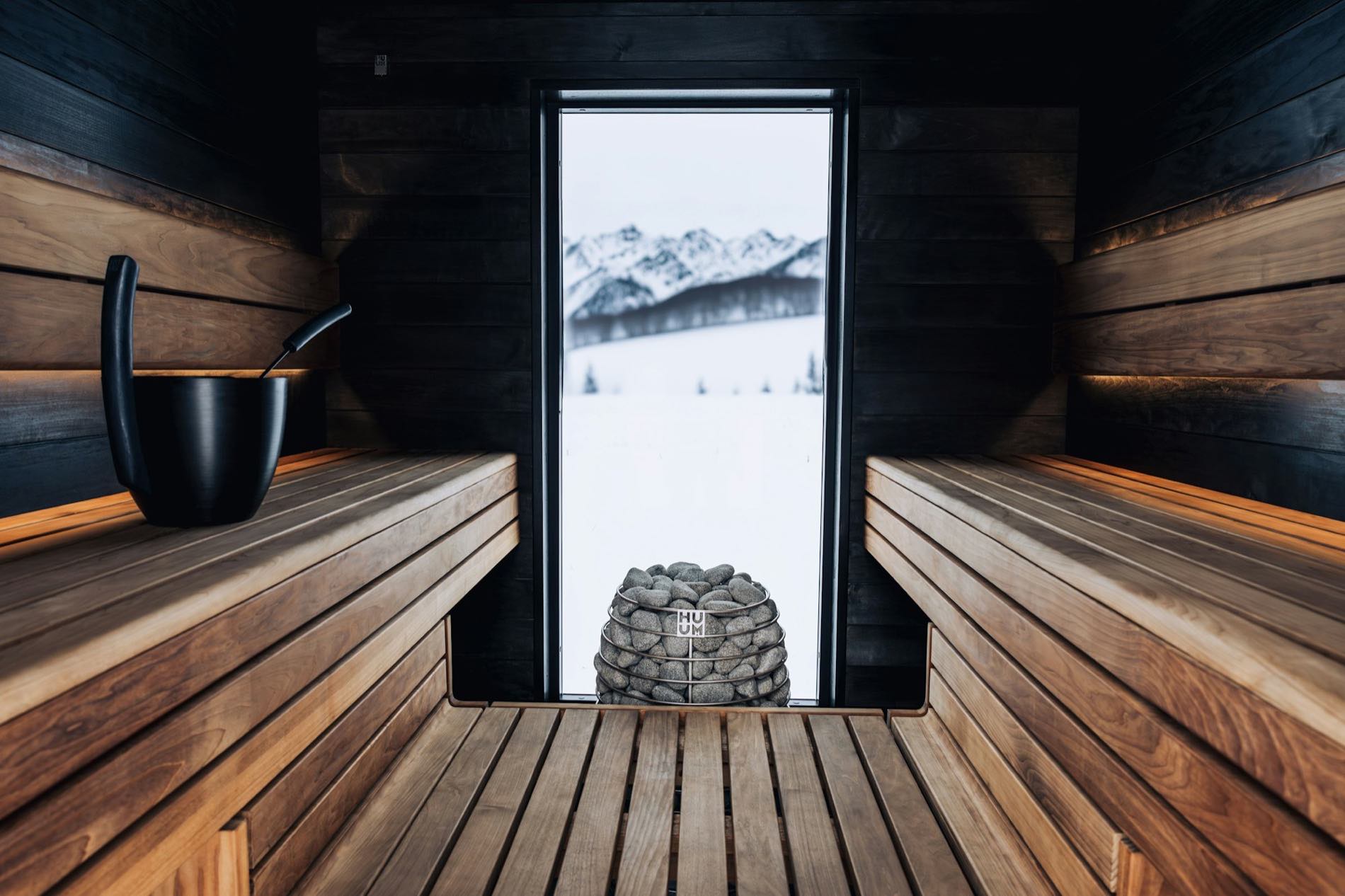
Infrared sauna is one of the few wellness tools that simultaneously supports circulation, nervous system balance, recovery, detoxification, and skin health — all while you simply sit and rest. That combination is rare, and the research behind it is more substantial than most people realize.
Six Ways Infrared Sauna Supports Your Health
Circulation
Infrared heat causes blood vessels to dilate, increasing blood flow to muscles, joints, and peripheral tissues. This improved circulation delivers oxygen and nutrients more efficiently while supporting cardiovascular conditioning similar to moderate aerobic exercise.
Relaxation & Nervous System
The deep, penetrating warmth of infrared sauna activates the parasympathetic nervous system — shifting the body from fight-or-flight into rest-and-repair mode. Cortisol levels decrease, muscle tension releases, and many people report the deepest relaxation they experience outside of sleep.
Recovery
Increased circulation removes metabolic waste products from muscle tissue, while heat shock proteins activated during sauna sessions support cellular repair. Studies show reduced muscle soreness, faster recovery from exercise, and improved range of motion with regular use.
Detoxification
Sweating is one of the body's primary detoxification pathways. Infrared sauna induces a deep, sustained sweat that supports the elimination of heavy metals, environmental toxins, and metabolic byproducts through the skin — complementing the liver and kidneys' natural detox processes.
Skin Health
Improved circulation and deep sweating work together to clear pores, deliver nutrients to skin cells, and support collagen production. Regular infrared sauna use is associated with improved skin tone, reduced appearance of fine lines, and a clearer complexion.
Recharge & Resilience
Beyond the immediate relaxation effect, regular infrared sauna use supports mitochondrial function, reduces chronic low-grade inflammation, and builds heat adaptation — a form of hormetic stress that makes the body more resilient over time.
Infrared vs. Traditional Sauna: What's the Difference?
Traditional Finnish saunas heat the air around you to temperatures of 170–200°F, which then heats your body from the outside in. Infrared saunas work differently — they use infrared light wavelengths (near, mid, and far infrared) to directly heat your body's tissues without significantly heating the surrounding air. The result is a more comfortable experience at lower ambient temperatures (typically 120–150°F) that many people find easier to tolerate for longer sessions.
The deeper tissue penetration of infrared wavelengths — particularly far infrared — is what makes infrared sauna uniquely effective for recovery, detoxification, and circulation. The heat reaches muscles, joints, and connective tissue directly, producing physiological effects that go well beyond surface-level warmth.
Circulation: Your Body's Delivery System
One of the most immediate and well-documented effects of infrared sauna is its impact on circulation. As core body temperature rises, blood vessels dilate in a process called vasodilation — the same response that occurs during aerobic exercise. Heart rate increases, cardiac output improves, and blood flow to peripheral tissues accelerates.
For people dealing with poor circulation, cold extremities, chronic pain, or cardiovascular risk factors, this effect is particularly meaningful. Multiple studies have demonstrated that regular sauna use produces cardiovascular conditioning effects comparable to moderate exercise, including improvements in endothelial function, blood pressure, and arterial stiffness. A landmark Finnish study following over 2,000 men for 20 years found that those who used a sauna 4–7 times per week had significantly lower rates of cardiovascular events and all-cause mortality.
For people who are unable to exercise intensely due to injury, fatigue, or chronic illness, infrared sauna offers a meaningful way to support cardiovascular health without the physical demands of exercise.
Relaxation and the Nervous System
We live in a world that chronically activates the sympathetic nervous system — the fight-or-flight branch that governs our stress response. Elevated cortisol, shallow breathing, muscle tension, poor sleep, and impaired digestion are all downstream effects of a nervous system that never fully shifts into parasympathetic mode.
Infrared sauna is one of the most effective tools we have found for reliably activating the parasympathetic response. The combination of warmth, stillness, and the physiological changes that accompany heat exposure — including the release of endorphins and the reduction of cortisol — creates a state of deep relaxation that is difficult to replicate through other means.
This is not simply a pleasant side effect. Chronic sympathetic dominance is a significant driver of inflammation, hormonal dysregulation, sleep disruption, and metabolic dysfunction. Regular time in the sauna is, in a very real sense, training your nervous system to downregulate — a skill that becomes more accessible with practice.
Recovery: More Than Just Muscle Soreness
The recovery benefits of infrared sauna extend well beyond reducing delayed-onset muscle soreness, though that effect is well-documented. The combination of improved circulation, heat shock protein activation, and parasympathetic nervous system engagement creates a comprehensive recovery environment that supports healing at multiple levels.
Heat shock proteins (HSPs) are molecular chaperones that are upregulated in response to thermal stress. They play a critical role in protein repair, cellular protection, and the prevention of protein misfolding — processes that are central to both athletic recovery and healthy aging. Regular sauna use has been shown to increase HSP expression, contributing to cellular resilience that persists between sessions.
For people on GLP-1 medications, recovering from injury, managing chronic pain, or simply trying to keep up with an active lifestyle, infrared sauna is one of the most accessible and evidence-backed recovery tools available. It requires no physical exertion, has no recovery period of its own, and can be used consistently without the cumulative stress that high-intensity exercise can impose on an already-taxed system.
Detoxification: Supporting Your Body's Natural Processes
The body has multiple pathways for eliminating toxins and metabolic waste: the liver, kidneys, lymphatic system, gut, and skin. Sweating — particularly the deep, sustained sweat induced by infrared sauna — is one of the most direct ways to support the skin's role in this process.
Research has documented the presence of heavy metals (including lead, cadmium, arsenic, and mercury), bisphenol A (BPA), phthalates, and other environmental toxins in sweat. While the liver and kidneys handle the majority of detoxification, supporting the skin's eliminative capacity through regular sweating can meaningfully reduce the total burden on these organs.
It is important to be clear about what detoxification through sauna does and does not mean. It is not a replacement for addressing the sources of toxic exposure, supporting liver function through nutrition, or addressing gut health. It is one tool in a comprehensive approach to reducing toxic burden — and a particularly accessible one, given that it requires nothing more than sitting quietly in a warm space.
Hydration is essential during and after infrared sauna sessions. The minerals lost through sweat — particularly sodium, potassium, and magnesium — should be replenished through mineral-rich water, electrolytes, or whole foods. This is an area where nutritional support and sauna therapy work directly together.
Recharge: The Cumulative Benefits of Consistency
The most meaningful benefits of infrared sauna are cumulative. A single session produces noticeable relaxation and recovery effects. A consistent practice — three to five sessions per week over weeks and months — produces adaptations that are more durable and more comprehensive.
Regular sauna use has been associated with improved sleep quality, reduced markers of systemic inflammation (including C-reactive protein and IL-6), improved insulin sensitivity, and enhanced mood — effects that compound over time and contribute to a general sense of resilience and vitality that is difficult to attribute to any single mechanism.
This is what we mean when we say infrared sauna helps you recharge. It is not simply that you feel relaxed after a session — though you will. It is that consistent use builds a physiological foundation of lower inflammation, better circulation, more balanced nervous system tone, and improved cellular function that makes everything else in your health practice work better.
As with all integrative wellness tools, infrared sauna works best as part of a comprehensive approach — not as a standalone solution. Paired with targeted nutrition, movement, quality sleep, and appropriate supplementation, it is one of the most powerful non-invasive tools available for supporting long-term health and vitality.
Practical Considerations: Getting Started
For most healthy adults, infrared sauna is very safe and well-tolerated. Sessions of 20–45 minutes at 120–150°F are typical starting points, with frequency building from one to two sessions per week up to daily use as tolerance develops.
Hydration is the most important practical consideration. Drink 16–24 oz of water before your session, and replenish fluids and electrolytes afterward. Avoid alcohol before or after sauna use, and listen to your body — lightheadedness, nausea, or excessive discomfort are signals to end the session.
Infrared sauna is contraindicated for people who are pregnant, have certain cardiovascular conditions, or are taking medications that impair heat regulation. If you have any underlying health conditions, consult with your healthcare provider before beginning a sauna practice.
For maximum benefit, consider pairing sauna sessions with cold exposure (a cold shower or cold plunge afterward), which amplifies the cardiovascular and nervous system benefits through contrast therapy. This combination — heat followed by cold — is one of the most potent recovery and resilience-building protocols available.
Never Miss a Wellness Insight
New articles on functional nutrition, integrative wellness, and root-cause health — delivered straight to your inbox. No fluff, no spam.
We respect your privacy. Unsubscribe at any time.
Continue Reading



Written by
Julia Callaghan, CLT
Julia is a Functional Nutritionist and Certified LEAP Therapist based in Charlotte, NC. She integrates evidence-based nutritional strategies with complementary wellness therapies — including infrared sauna — to help clients address root causes and optimize their health from the inside out.