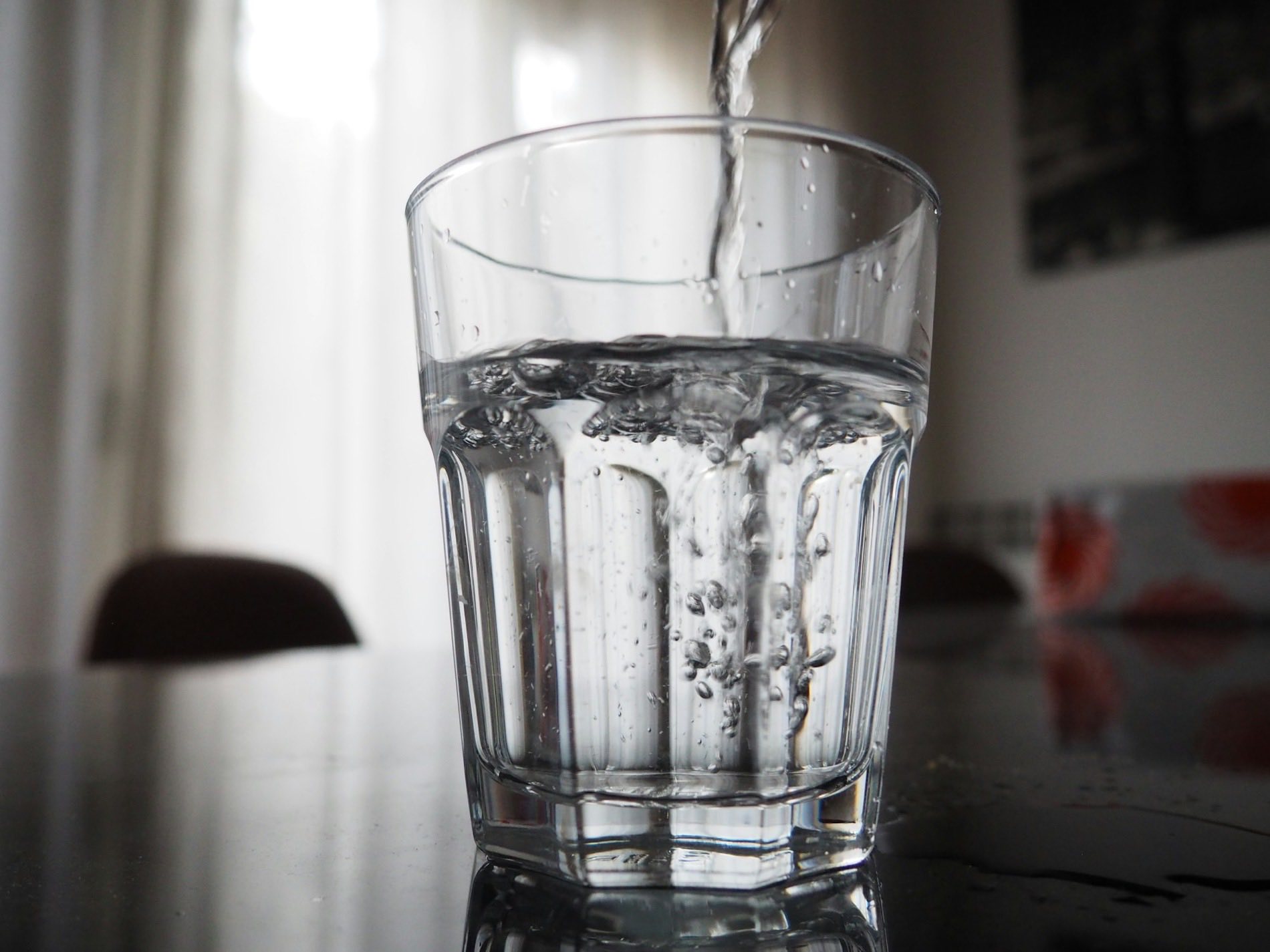
Hydrogen water is wonderful — but the physics of digestion place a hard ceiling on how much H₂ your body can absorb from a glass. Inhalation bypasses that ceiling entirely.
The Problem With Drinking Hydrogen
Hydrogen water is made by dissolving molecular hydrogen gas (H₂) into water under pressure. It is a legitimate and convenient way to get a daily dose of H₂ — and the research on hydrogen water is genuinely promising for things like antioxidant support, hydration, and mild inflammation reduction.
But here is the limitation: water can only hold so much dissolved hydrogen. The maximum concentration achievable in a glass of hydrogen water — even with the best equipment — is around 1.6 parts per million (ppm). Drink a liter, and you have consumed roughly 1.6 mg of H₂. That is a meaningful amount, and it does produce measurable effects. But it is also the ceiling. You cannot drink your way to a higher dose.
The Inhalation Difference
~1,700×
more molecular hydrogen than you could ever drink in a day
When you inhale H₂ gas through a nasal cannula, the hydrogen absorbs directly through your lungs into the bloodstream — bypassing the solubility limits of water entirely. A single inhalation session delivers a dose that would be physically impossible to match through drinking.
Why the Dose Difference Matters
Molecular hydrogen is a therapeutic gas. Like most therapeutic agents, dose matters. The research showing the most significant effects on mitochondrial function, neurological health, systemic inflammation, and recovery has largely been conducted using inhalation — because inhalation is the only method that achieves the concentrations needed to produce those effects consistently.
Because H₂ is the smallest molecule in existence, it crosses the blood-brain barrier, penetrates cell membranes, and reaches the mitochondria directly — including in tissues that are difficult to reach through other delivery methods. At therapeutic inhalation doses, the effects are systemic in a way that drinking simply cannot replicate.
Inhalation vs. Hydrogen Water: At a Glance
| Feature | Hydrogen Water | H₂ Inhalation |
|---|---|---|
| Relative Dose | Low (~1.6 mg/L max) | Very High (~1,700× more) |
| Delivery Route | Digestive tract | Lungs → bloodstream directly |
| Blood-Brain Barrier | Limited penetration | Strong penetration |
| Mitochondrial Reach | Moderate | Deep, systemic |
| Session Required | No — drink anytime | Yes — 30–60 min session |
| Best For | Daily maintenance dose | Therapeutic, targeted support |
| Use Together? | Yes — complementary | Yes — complementary |
They Work Best Together
This is not an either/or conversation. Hydrogen water is an excellent daily habit — a low-effort way to maintain a baseline of H₂ support between sessions. Think of it the way you might think of a daily walk versus a structured workout: both are valuable, and neither replaces the other.
For clients dealing with chronic inflammation, fatigue, brain fog, metabolic dysfunction, or recovery from illness or intense training, inhalation sessions provide the therapeutic depth that hydrogen water alone cannot reach. Hydrogen water then serves as the daily maintenance layer between sessions — keeping H₂ levels elevated and supporting the work being done in-office.
What a Session Actually Looks Like
A molecular hydrogen inhalation session is one of the most effortless therapies we offer. You sit comfortably in a chair, a soft nasal cannula is placed, and you simply breathe normally for 30 to 60 minutes. There is no heat, no pressure, no needles, no recovery time. Most clients read, rest, or relax during the session. Many describe a noticeable sense of calm and mental clarity during and after.
Sessions can be combined with other therapies — red light therapy, infrared sauna, or a nutrition consultation — for a comprehensive wellness visit. There is no preparation required and no downtime afterward.

Written by
Julia Callaghan, CLT
Holistic Nutritionist · Innovative Nutrition NC
Julia is a Holistic Nutritionist with over 10 years of experience in functional and integrative nutrition. She integrates evidence-based nutritional strategies with complementary wellness therapies — including molecular hydrogen inhalation — to help clients address root causes and optimize their health from the cellular level up.